
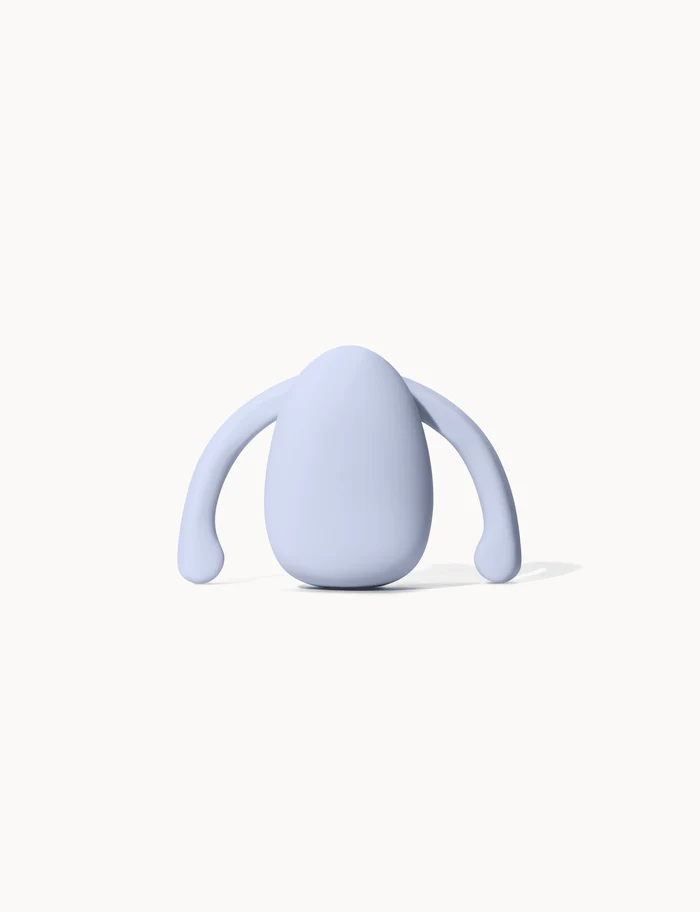
The promise behind Eva is easy to understand: external vibration without having to hold a conventional device throughout. Finding an alternative is harder because products labelled “couples toys” solve that problem in very different ways. Some are rings. Some sit partly internally. Some attach to fingers. Others work only because somebody is happy to keep a hand involved.
SVIBE Snail Jovi is our first alternative to investigate when a ring-based setup suits the couple. We-Vibe Chorus and Lovense Dolce offer dual formats, while Dame Fin, Dame Pom, Maude vibe and Lovense Ferri cover different approaches to external control. The useful question is not which one looks most like Eva. It is which kind of placement you actually want.
Quick list: seven alternatives and their placement
| Alternative | Placement approach | Main compromise |
|---|---|---|
| 1. SVIBE Snail Jovi | Couples ring with remote | Requires a ring-based setup |
| 2. We-Vibe Chorus | Adjustable dual couples device | Introduces an internal component |
| 3. Lovense Dolce | Adjustable dual vibrator | Different body arrangement from Eva |
| 4. Dame Fin | Finger-attached vibrator | A hand remains involved |
| 5. Dame Pom | Palm-held vibrator | Not a wearable replacement |
| 6. Maude vibe | Handheld external format | Needs deliberate positioning |
| 7. Lovense Ferri | Magnetic panty vibrator | Depends on compatible clothing placement |
Eva alternatives: price, placement and construction
A ring, a finger strap and a winged wearable are different purchases. Read the format alongside the price to see which setup you would actually be buying.
| Product | Listed price | Key specifications | Controls | Build quality: materials & protection | Power & charging |
|---|---|---|---|---|---|
| Dame Eva (reference) | US$129 | 2.4 in overall width including wings | 3 intensities; device control | Silicone; waterproof; 3-year warranty | 1 h at highest; 4 h charge |
| 1. SVIBE Snail Jovi | US$65 sale; listed US$130 | Two motors; ring format | Included remote | Silicone; 2-year warranty | Rechargeable |
| 2. We-Vibe Chorus | From US$159 sale; listed US$219 | Adjustable dual couples format | Squeeze remote + app | Silicone + ABS; 2-year warranty | Rechargeable |
| 3. Lovense Dolce | US$119 sale; listed US$239 | Adjustable dual-ended design | Device + Lovense app | IPX7; 1-year warranty | 1–2 h stated use |
| 4. Dame Fin | US$49 | 3 in with strap; 1.5 in diameter | Finger strap; device button | Silicone; waterproof; 3-year warranty | 1 h at highest; 2 h charge |
| 5. Dame Pom | US$103 | 3.25 × 2.2 × 1.2 in | 5 intensities + 5 patterns | Silicone; waterproof; 3-year warranty | 1 h at highest; 2 h charge |
| 6. Maude vibe | US$52 | 4.87 in long; tapered external tip | 3 speeds; single button | Silicone; water-resistant, no submersion | USB rechargeable |
| 7. Lovense Ferri | US$89 sale; listed US$199 | Magnetic panty attachment | 3 local levels + app control | Silicone + ABS; IPX7; 1-year warranty | Up to 195 min; 1 h charge |
Listed item prices checked 9 November 2026; USD unless marked EUR. Shipping and checkout taxes are separate. Specifications and warranty terms are manufacturer-stated.
First decide what “hands-free” means to you
Dame Eva is an external wearable with flexible wings. The wings are part of its placement design. They are not equivalent to a ring, an internal arm or a magnetic attachment, even though all of those may appear in shopping results for hands-free products.
You might mean that neither person should hold a device. You might mean that you want one hand available rather than both. Or you might simply want to stop gripping a bulky handle. Those are three different requirements, and a finger-attached device could satisfy the last two without satisfying the first.
Placement is also separate from control. A device can stay in position while somebody still reaches for a button. A remote can make control easier without determining how the device stays put. Treat those as separate jobs when comparing the alternatives below.
If you are buying for partnered use, both people should understand the intended arrangement before the order is placed. An alternative that requires a ring or an internal component is not a neutral substitution for an external wearable. It changes the plan, not just the brand name.
1. SVIBE Snail Jovi — move to a ring-based arrangement
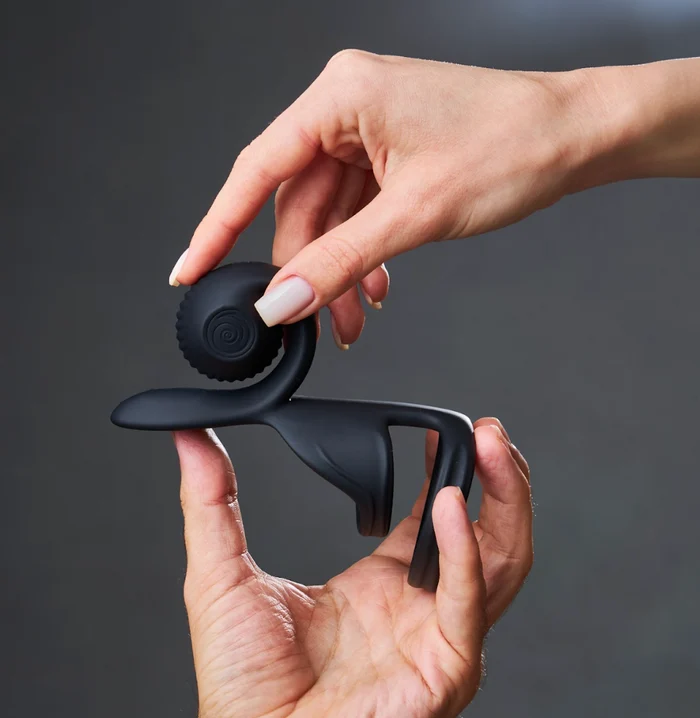
Snail Jovi is a couples ring with a remote controller and two motors. It offers a different way to position vibration during partnered use: the ring arrangement replaces Eva’s winged external placement.
That makes Jovi a relevant first option when a ring suits the people using it and the goal is shared external contact. The remote is a practical addition because changing a setting does not have to mean reaching directly for the device.
The ring is also the reason it is not a universal Eva replacement. It requires a different wearing arrangement, so the decision needs to start with whether that arrangement is wanted. A couples label does not make the physical requirements disappear.
Compare the ring dimensions and the instructions before treating a product photo as sufficient fit information. Keep the remote in the ownership plan as well: it needs a designated place, and both users should know how to stop or change the device.
Jovi belongs first on this shortlist for a couple deliberately considering a ring-based alternative. It does not need to claim that it fits every body or works in every position to have a clear purpose. The appeal is the combination of its ring design, separate controller and shared-use orientation.
2. We-Vibe Chorus — introduce dual stimulation deliberately
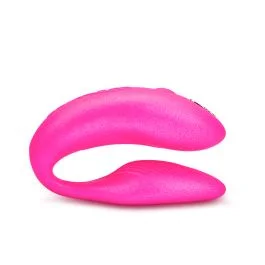
Chorus uses an adjustable couples format and a squeeze-responsive remote. It is a substantial change from Eva because the design includes internal and external components rather than an external wearable alone.
That can be attractive if you wanted to expand the role of the device, not merely replace Eva’s attachment method. The internal component should be a positive choice, though. It should not arrive as an overlooked consequence of selecting another product from the couples category.
The squeeze controller creates a distinctive interaction for a partner. Think about whether that style of control appeals more than buttons on the device or a phone screen. A remote is useful when it fits the way you want to share control, not simply because it adds another object to the package.
Chorus also changes the placement discussion. The two portions need to be considered together, and the adjustable design deserves a look through the manufacturer’s instructions rather than an assumption that any angle is possible.
This is the strongest direction when an Eva alternative is also an opportunity to explore a dual couples format. If keeping the device entirely external is essential, cross Chorus off early and spend your attention on the external options instead.
3. Lovense Dolce — adjustment rather than wings

Dolce offers an adjustable dual configuration with connected control. Its relationship to Eva is therefore about changing the physical brief: moving from a winged external wearable to a two-ended arrangement.
The feature to evaluate first is adjustment. Consider why you want it and which positioning problem you expect it to address. If you cannot name one, it may be an interesting capability without being a reason to choose this product.
Dolce also makes sense when connected control is part of the intended use. That requirement should be checked separately from the shape. A phone-based feature does not tell you whether the device’s physical arrangement is what you want.
Compared with Chorus, Dolce invites a different geometry comparison even though both can appear in searches for connected couples devices. Do not let the shared category label erase the differences in outline, control approach and intended positioning.
Keep Dolce among the finalists if both adjustment and a dual format appeal. If you liked Eva precisely because it did not add an internal section, this alternative moves away from an important part of your original preference. Recognising that early is more useful than trying to justify every product on a list of seven.
4. Dame Fin — keep touch, change how the vibrator is held
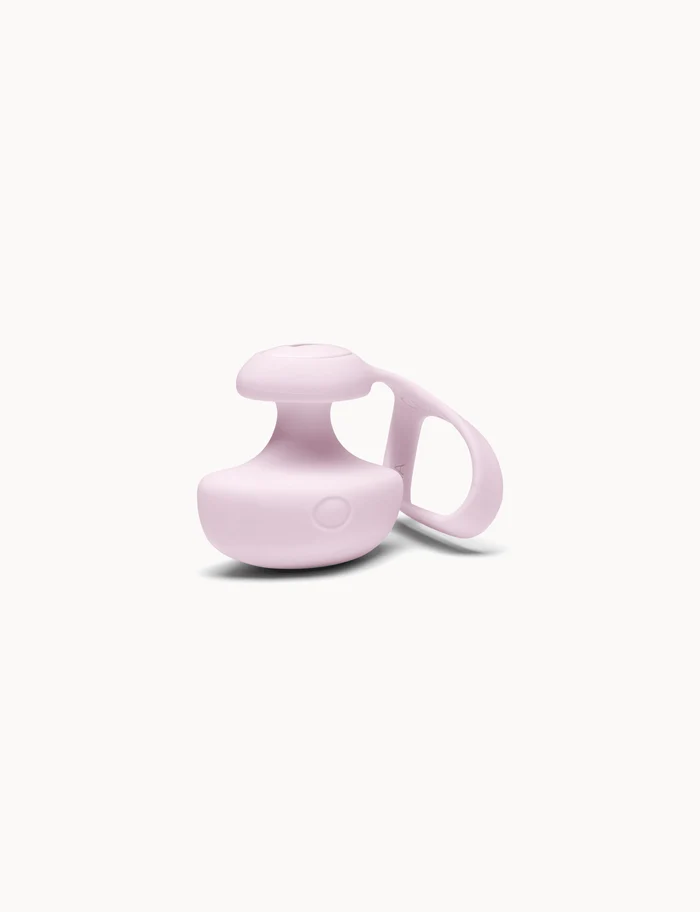
Fin is a finger vibrator. It gives you a way to add vibration to manual touch without holding the same kind of body or handle as a conventional handheld toy.
This is not fully hands-free use, and that is the central trade-off. A hand remains involved. In return, positioning can follow the movement of the fingers rather than relying on a wearable staying in one place.
Fin is particularly relevant if your frustration with a handheld device is the grip rather than the involvement of a hand itself. Those are easy to confuse. Removing a handle can solve a handling preference without removing the person directing it.
For partnered use, that distinction can be useful. One person can guide the contact directly instead of operating a remote and relying on a fixed placement. Whether that is preferable depends on the role you want the device to play.
Fin is the option to investigate when you want vibration integrated with touch and are happy to retain manual involvement. It is not the choice for a brief that specifically says neither person should need to keep a hand on the device. Making that distinction avoids disappointment without dismissing a very different kind of alternative.
5. Dame Pom — choose a palm grip instead of a wearable
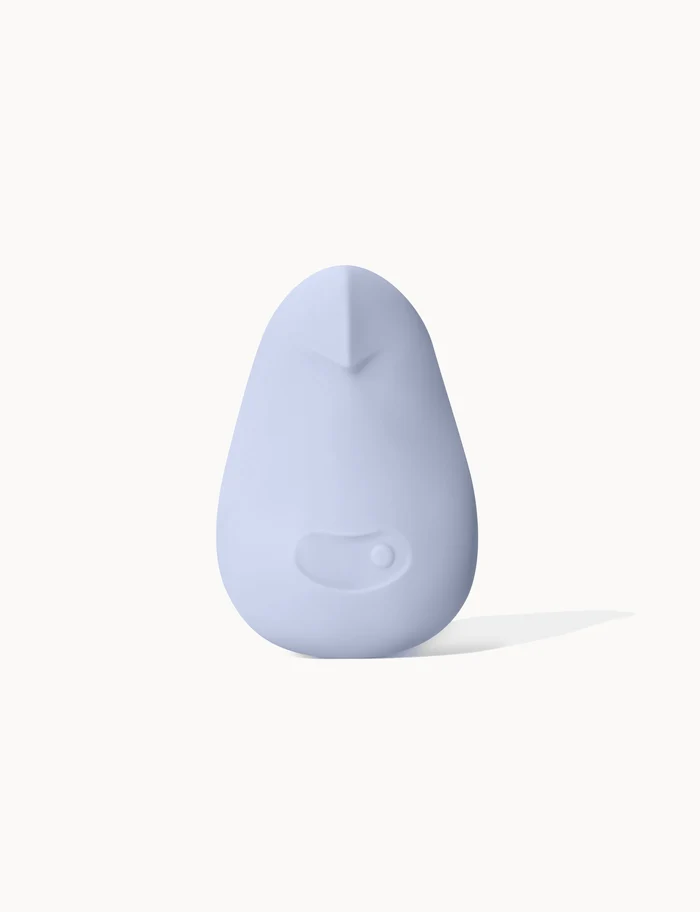
Pom is a flexible palm vibrator. It moves the comparison away from attachment and toward the way a compact external device sits in the hand.
That shift can be helpful if you have decided that wearable positioning is more effort than you want. A handheld product gives up the promise of staying put unaided, but lets the person holding it control placement directly.
Pom should be assessed on that basis. Look at the contact surfaces, the way the body fits into a palm and the position of the controls. Those features are more relevant than whether it can be made to resemble a wearable in a photograph.
It also creates a different shared-use arrangement from Chorus or Jovi. Instead of passing a remote, you may be passing the device itself. That can be a positive choice for people who prefer direct control and simple hand placement.
Pom belongs on the list because not every Eva alternative has to preserve hands-free use. Sometimes the more useful replacement is the product that removes the troublesome requirement altogether. If you still want an entirely wearable setup, however, do not let a pleasing palm shape distract from that requirement.
6. Maude vibe — a separate external object with a narrow purpose
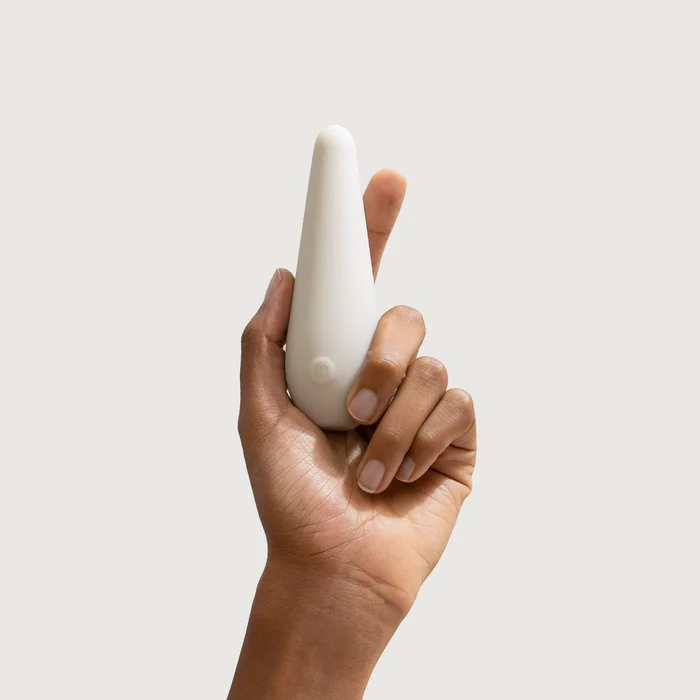
Maude’s device collection includes vibe, an external handheld option. Its relevance is a focused one: it gives you another route to an external device without adding an internal arm or ring arrangement.
This can be a sensible choice when Eva’s external purpose was right but the wearable idea was not. The purchase becomes about an object you intentionally place and hold, rather than a retention system you expect to manage the positioning.
Compare vibe with Pom as a handheld decision, not with Chorus as though both were the same kind of couples wearable. Think about the shape you want against your palm, the contact area and how you would access the controls.
The simplicity of the category is part of the point. You can evaluate a dedicated external product without carrying over expectations about internal stimulation, remote operation or app features from a different model.
Drop makes sense when you want to keep the external brief and accept manual placement. It is less useful if your original aim was specifically to free both hands. That is not a small missing feature; it is a different way of using the product, and it should be decided before comparing colours or bundles.
7. Lovense Ferri — move the attachment to clothing
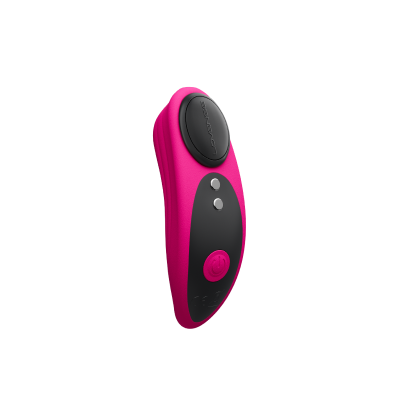
Lovense Ferri is a magnetic panty vibrator. Its attachment method is the reason it belongs in an Eva alternatives list: it offers an external wearable approach that relies on clothing placement rather than Eva’s flexible wings.
That changes the setting in which you would use it. The relevant clothing and the way the magnetic arrangement is positioned become part of the setup. It should not be assumed to replace a body-worn device in every situation.
Ferri is worth exploring when a clothing-based external wearable is exactly what you want. The connected features then become a second layer of the decision, allowing you to assess the supported control method alongside the attachment.
If your plan involves no clothing in the relevant area, the main reason for choosing this format may disappear. That is a useful filter, not a criticism of the device. A product can be well matched to one setting and a poor substitute in another.
Choose Ferri for closer research when its magnetic panty format fits your intended private use. If the clothing requirement does not fit, return to Eva-style external wearables, rings or deliberately handheld options rather than trying to force a different attachment system into the same role.
A two-person buying checklist that actually helps
For a closer look at how a remote changes that arrangement, the Chorus alternatives comparison separates ring, dual and clothing-attached options. That distinction is especially useful when one person prioritises placement and the other is focused on control: the two preferences need to work together in the same product.
Start by agreeing on the placement category. Ring, internal/external dual, external body-worn, finger-attached, palm-held and clothing-attached are six different arrangements represented here. Choosing the category first makes the product comparison shorter and more useful.
Then agree on control. Who should be able to change intensity or stop the device? Would you prefer a physical remote, controls on the product or a supported phone connection? Do not assume that the person wearing or holding the device wants the same control arrangement as the other person.
Next, consider the ordinary interruption: somebody wants to reposition, change activities or put the product away. A good choice should make those transitions understandable. This is a practical question about handling and communication, not a promise that any wearable will remain perfectly positioned throughout every movement.
Our Behind the Bush guide to refreshing intimacy offers a starting point for discussing preferences before buying equipment. The site’s FAQs are available for its own practical information; product-specific fitting and operating directions belong with the manufacturer.
If you want a ring, start with Jovi. If you want a dual wearable, compare Chorus and Dolce. If you are happy with manual control, Fin, Pom and vibe offer three distinct handling choices. If clothing attachment is the point, investigate Ferri. The shortlist becomes much clearer once “hands-free” stops being a catch-all phrase and becomes a specific requirement you both understand.